
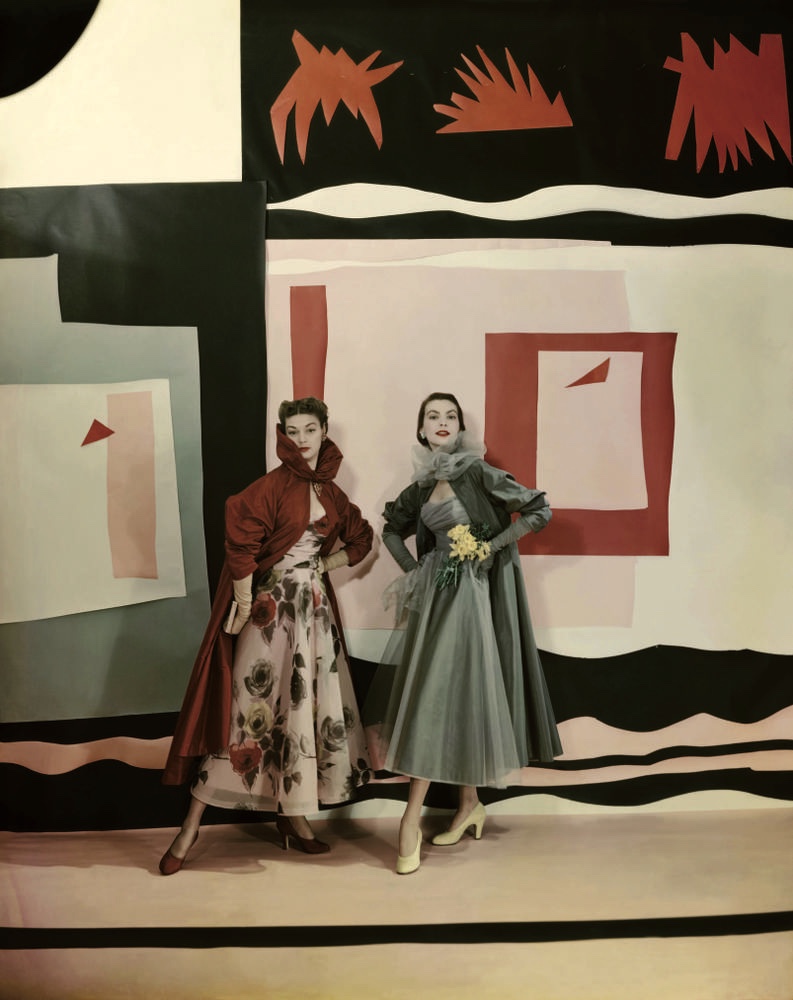
This Art of Fashion supplement revisits the influence of the visual arts within the dynamic realm of ready-to-wear. How does art translate into our wardrobes? It’s also been an opportunity to talk to designers about more private passions. Jonathan Anderson, the creative director of Loewe and his own label, JW Anderson, discusses the value of craft and why the art of the hand is having such a renaissance. Nicolas Ghesquière talks about the architects who inform his designs, his catwalk presentations – and his Instagram feed in “The Lines of Beauty”. And Giorgio Armani reflects on the key works that have inspired his 41-year career at his eponymous label.
We also spoke to the artists, like Trouble Andrew (aka GucciGhost) and Maggie Cardelús about their experiences of collaborating on the autumn collections. Cardelús produced a vivid print for Sonia Rykiel, while Andrew’s spray-painted bags have become a cult accessory. Lastly, we’ve found the creative highlights of the season, from the international fashion shows to major exhibitions. I hope it leaves you inspired.
The vivid colours and dramatic silhouettes of the Expressionist artists provided fertile ground for the AW16 shows. Several designers drew on the movement’s noirish sensibility and febrile femininity to create collections with big character – and no small amount of menace. Belgian designer Dries Van Noten had taken the Italian heiress and eccentric marchesa, Luisa Casati, as his muse; the models were swathed in leopard print and smeared about the eyes with kohl in the spirit of the art patroness’s wild-eyed beauty. The clothes, meanwhile, borrowed from the Expressionist palette; the chartreuse yellow blazers, violet striped pyjama suits, a long slip gown in absinthe green could have stepped straight from an Ernst Ludwig Kirchner canvas.
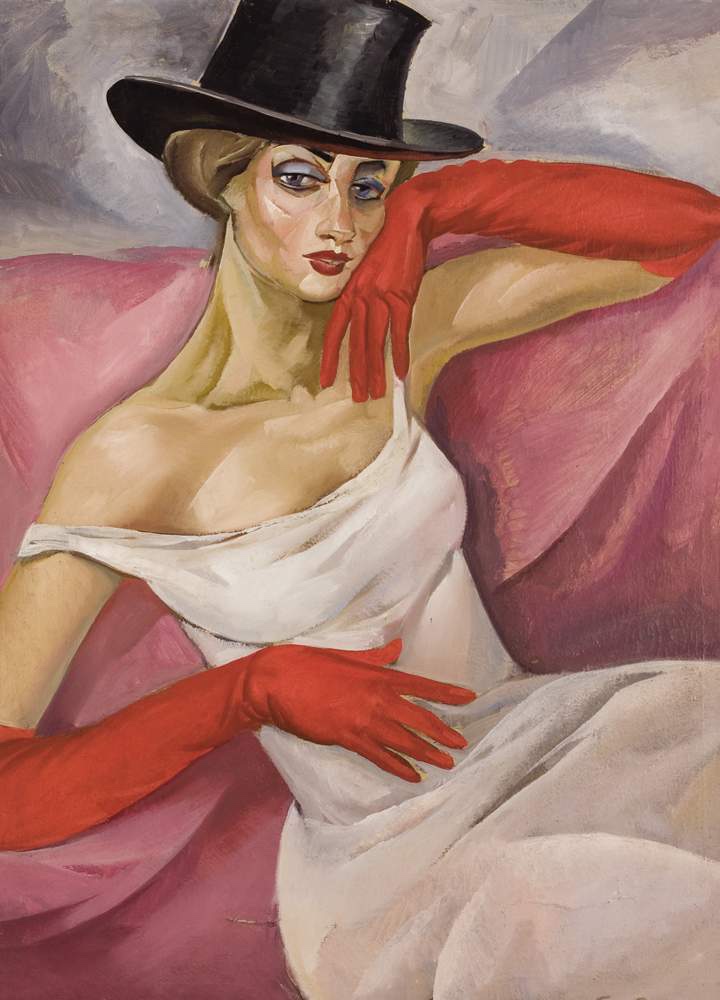
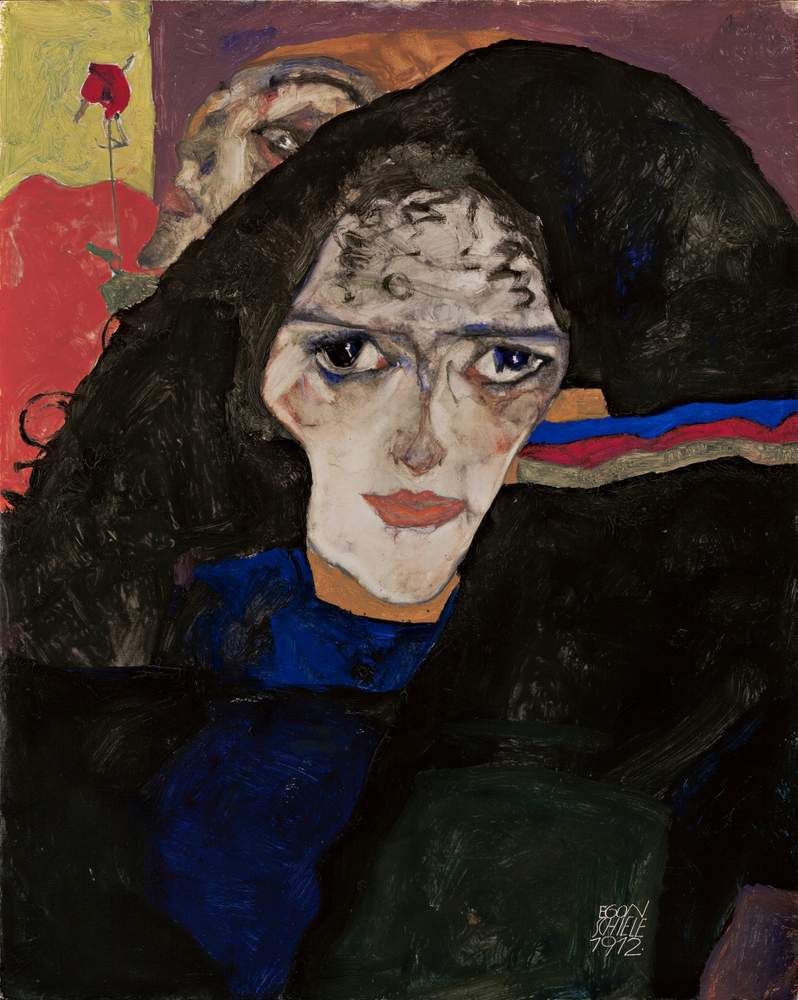
Other designers were also inspired by that movement’s dangerous degenerative appeal. At Marc Jacobs, models wore black lips, towering heels and layered furs to recall the vast exaggerated characters of filmmaker Fritz Lang. At Christopher Kane, the models were in rain bonnets, strings of trinkets and shoes strewn with “rubbish” to capture a mood of “beauty expired”. While Kane’s damaged muse evoked the fragile figures that populate the works of Egon Schiele, others drew on the painter’s more defiant female forms; a wicked stepmother in a tinselised overcoat at Dolce and Gabbana; Dior’s slick-haired emissaries in their pointy boots and spooky black glasses; a silvery femme fatale at Roberto Cavalli; a Kenzo diva dressed in a zebra brocade jacket and matching boots, glowering from under a blonde pompadour. Quietly terrifying. Quite terrific.

 fashion life